AI Automation Agency: What They Do, What It Costs, and How to Choose One
An AI automation agency builds systems that take repetitive work off your team. Here's what they do, how they charge, and how to spot a good one.
Practical guides and real client outcomes on building software, ranking on Google, and everything else that turns a product into a growing business.

An AI automation agency builds systems that take repetitive work off your team. Here's what they do, how they charge, and how to spot a good one.

A product requirements document tells developers what to build, for whom, and how you'll know it worked. Here's a free PRD template and how to fill it in.

An MVP is the smallest version of your product that proves real people will use it, and ideally pay for it. Here's what that means in practice, with examples.

Full mobile app development services cover strategy, design, development, testing, launch and support. Here's what each stage should include and how to compare providers.

Most small businesses should start with AI on repetitive work they already do every week. Here's where it pays off, which tools to try first, and when custom is worth it.

An AI agent is a language model that can use tools to finish a task. Here's how to build one that works reliably, step by step, with practical examples.

Supabase gives you a real Postgres database; Firebase gives you Google's NoSQL ecosystem. Here's how they compare and which we'd pick for most startups.

A good AI agent development company starts narrow, tests against your real data, and keeps a human in control. Here's how to tell them apart.

AI integration adds features like smart search, summaries and assistants to software you already have. Here's how it works, what it costs, and how to do it safely.

A web application is software people use in the browser: portals, dashboards, SaaS products and booking systems. Here's how to get one built well.

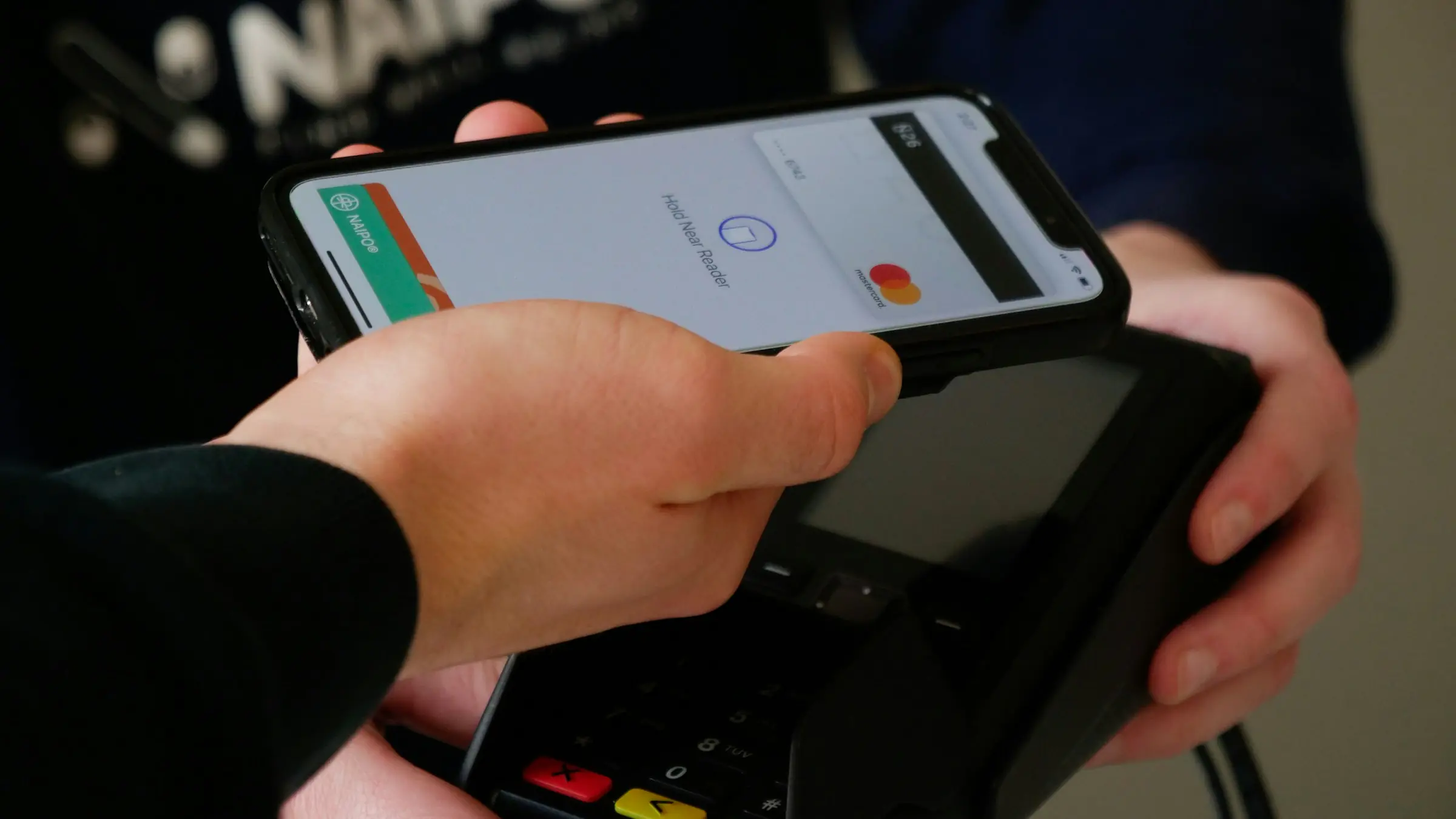
Fintech apps move money, so trust and compliance come first. Here's how modern fintech apps are built on regulated partners, and what to ask a development company.

A useful business chatbot answers from your own content and hands off to a person when it should. Here's how to build one, and what it costs.

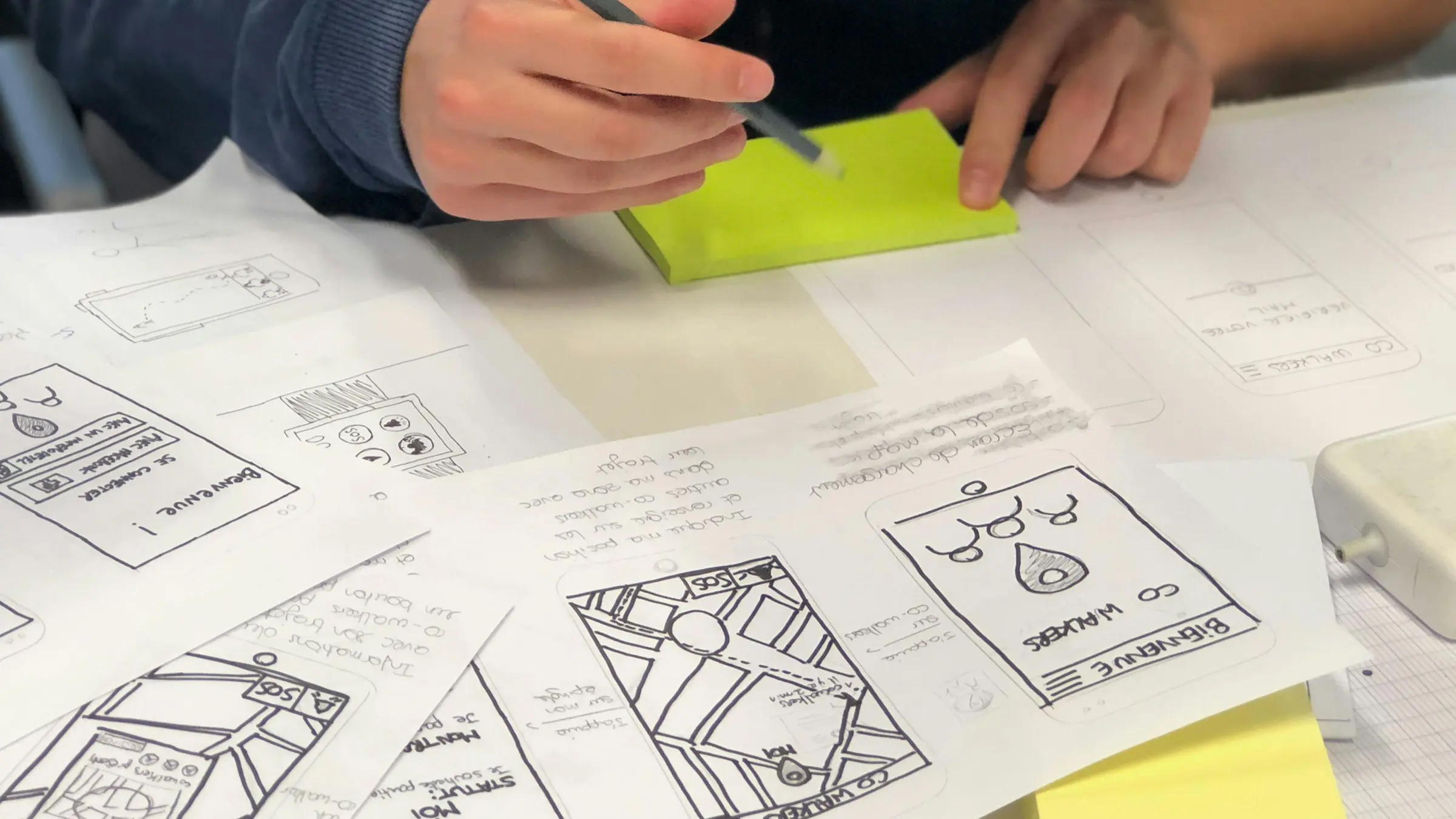
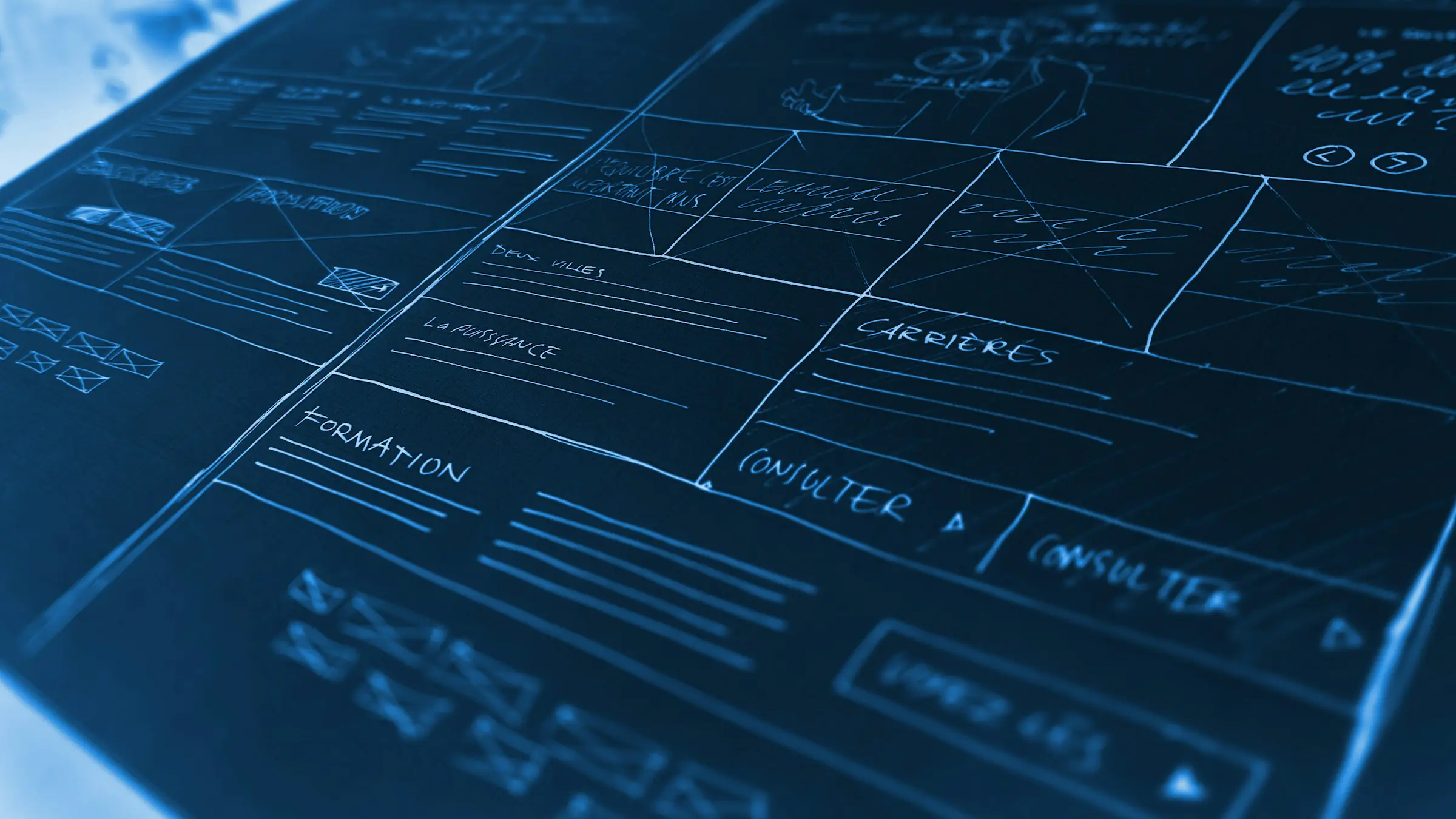
An app wireframe is a simple sketch of each screen and how they connect. It's the cheapest way to find problems before anyone writes code.

New social apps win by serving one community well, not by copying Facebook. Here's how to make a social media app that people actually come back to.

A white label app is a ready-made product you rebrand as your own. It's fast and cheap to start, but you rent it rather than own it.

Most stores should start with their platform's app tools. A custom ecommerce app pays off when your buying experience is your edge. Here's how to tell.

Healthcare apps live or die on trust. Here's what HIPAA means for your build, the core telemedicine features, and how to plan a medical app the right way.

A delivery app is really four products: customer, courier, merchant and admin. Here's how to scope them and launch in one area before you scale.

Off-the-shelf CRMs fit most companies. A custom CRM pays off when your process is unusual or per-seat fees keep climbing. Here's how to decide.

The hard part of a real estate app isn't the screens, it's the listing data and the workflow behind it. Here's how to plan one that agents and buyers use.

Most app ideas die between the shower thought and the first line of code. Here's the exact order of steps that gets a non-technical founder from idea to a real, scoped product.

The full path from a validated idea to an app in the App Store, explained in plain English: what happens at each stage, who does it, and where founders lose the most money.

Founders worry about someone stealing their app idea. Here's the honest picture of what can and can't be protected, and the practical steps that matter more than a patent.

Most founders who want to sell an app idea discover nobody buys ideas. Here's what does have value, and the cheapest path to creating it.

Not every business needs a custom app. Here's how to tell if yours does, what kind of app makes sense, and how to build it without wasting money.

No-code tools are a genuinely good way to test an idea. They're also where some founders get stuck. Here's how to use them well and how to know when to move on.

A prototype, a proof of concept and an MVP answer three different questions. Building the wrong one first is one of the most common ways founders waste money.

Your app is built. Now it has to get through Apple and Google. Here's every step, every fee and the mistakes that most often get first submissions rejected.

Launch day is a moment. Getting users is a process that starts weeks before it. Here's a practical launch plan and marketing strategy for a founder-led app.

Published app cost guides quote anything from $5,000 to $300,000+. Here's what actually moves the number, where founders overspend, and how to get a fixed price you can hold someone to.

Web apps skip the app stores but not the engineering. Here's what drives web app and SaaS development cost and how to scope the first version sensibly.

An MVP should cost a fraction of the full product. When it doesn't, it's usually because the scope was never really cut. Here's how MVP pricing works.

Hourly rates are the most visible number when hiring a developer and the least useful one. Here's how app developer pricing really works and what to compare instead.

Launch isn't the finish line for your budget. Here's what app maintenance covers, how to estimate it, and how to stop it surprising you.

Most app timelines slip for the same few reasons, and almost none of them are about coding speed. Here's a realistic timeline and how to keep yours on track.

What actually happens between "we'd like to build an app" and an app in the store, stage by stage, including what you should see and approve at each step.

Both frameworks ship real iOS and Android apps from one codebase. The differences that matter to a founder are hiring, web reuse and long-term maintenance.

Choosing between a web app and a native app decides your cost, timeline and how users find you. Here's a simple way to make the call.

Cross-platform development is how most founders ship to both app stores without paying for two apps. Here's how it works and when native still wins.

Freelancers are cheaper per hour; agencies bring a whole team. The right choice depends on your app's complexity and how much managing you can do yourself.

The pricing model decides who pays when an estimate turns out wrong. Here's how time and materials and fixed price compare for a founder's first app.

A great technical cofounder is worth searching for. Here's where to look, how to evaluate one, and how non-technical founders get started while they search.

Outsourcing can get your app built faster and for less than hiring a team. It can also go badly wrong. Here's how to outsource with your eyes open.

Most app projects that go wrong were set up wrong in the contract. Here are the ten clauses to check, written for founders, not lawyers.

Hiring the wrong app developer is the most expensive mistake a founder can make. Here's how to find, vet and contract the right one.

Custom apps are built around your workflow and your business model instead of a vendor's. Here's when that's worth it and how we deliver it at a fixed price.

An MVP development service should help you decide what not to build as much as build it. Here's what to expect from a good MVP development company.

A US-based app development company costs more per hour. Here's what that buys you, what to verify before signing, and how to compare teams fairly.

AI is easy to demo and hard to make useful. Here's what an AI app development company should actually deliver, and how to build AI features people pay for.

A SaaS product is more than an app with a login. Here's what a SaaS MVP really needs, what to leave out, and how billing and tiers shape the build.

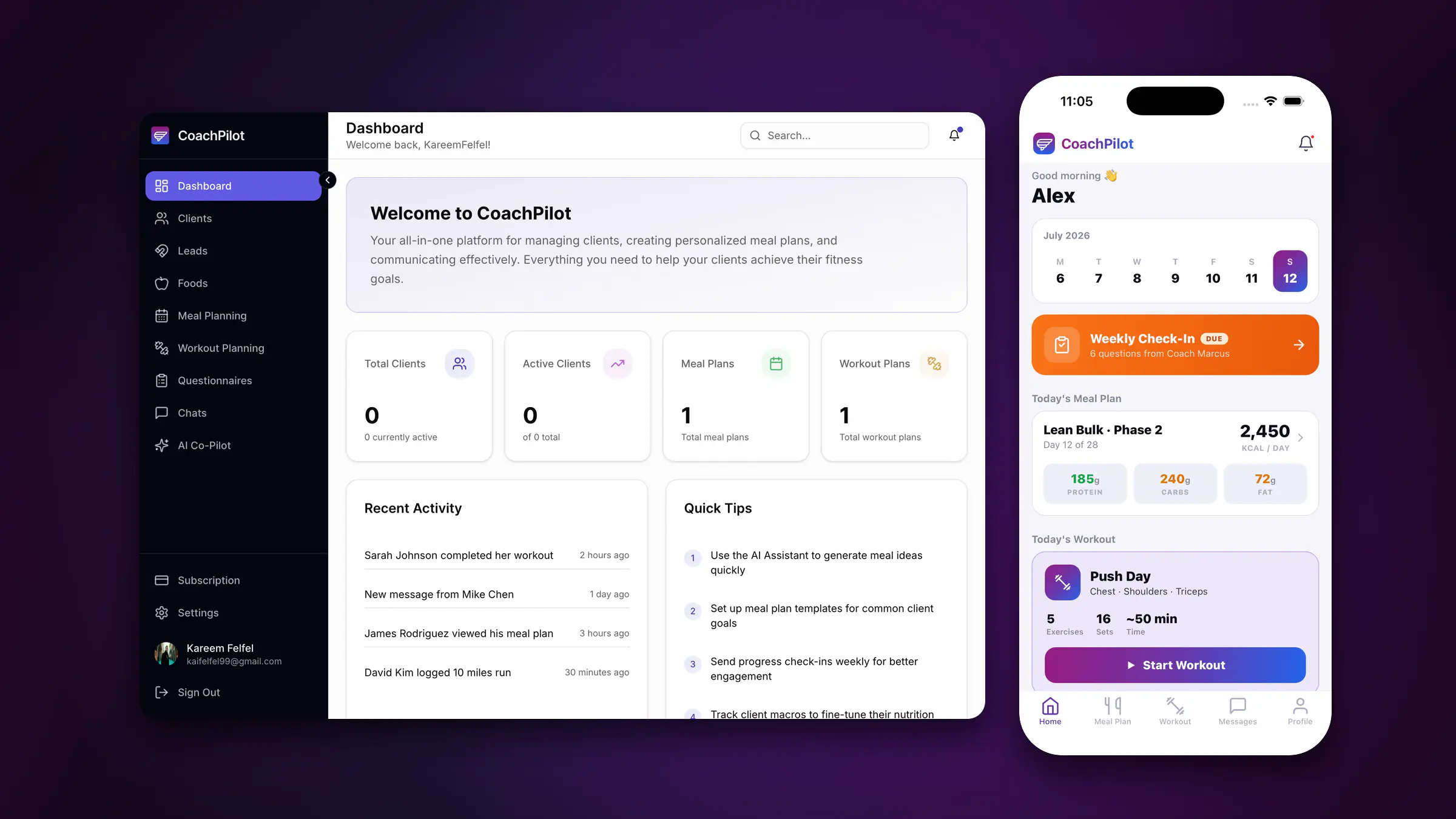
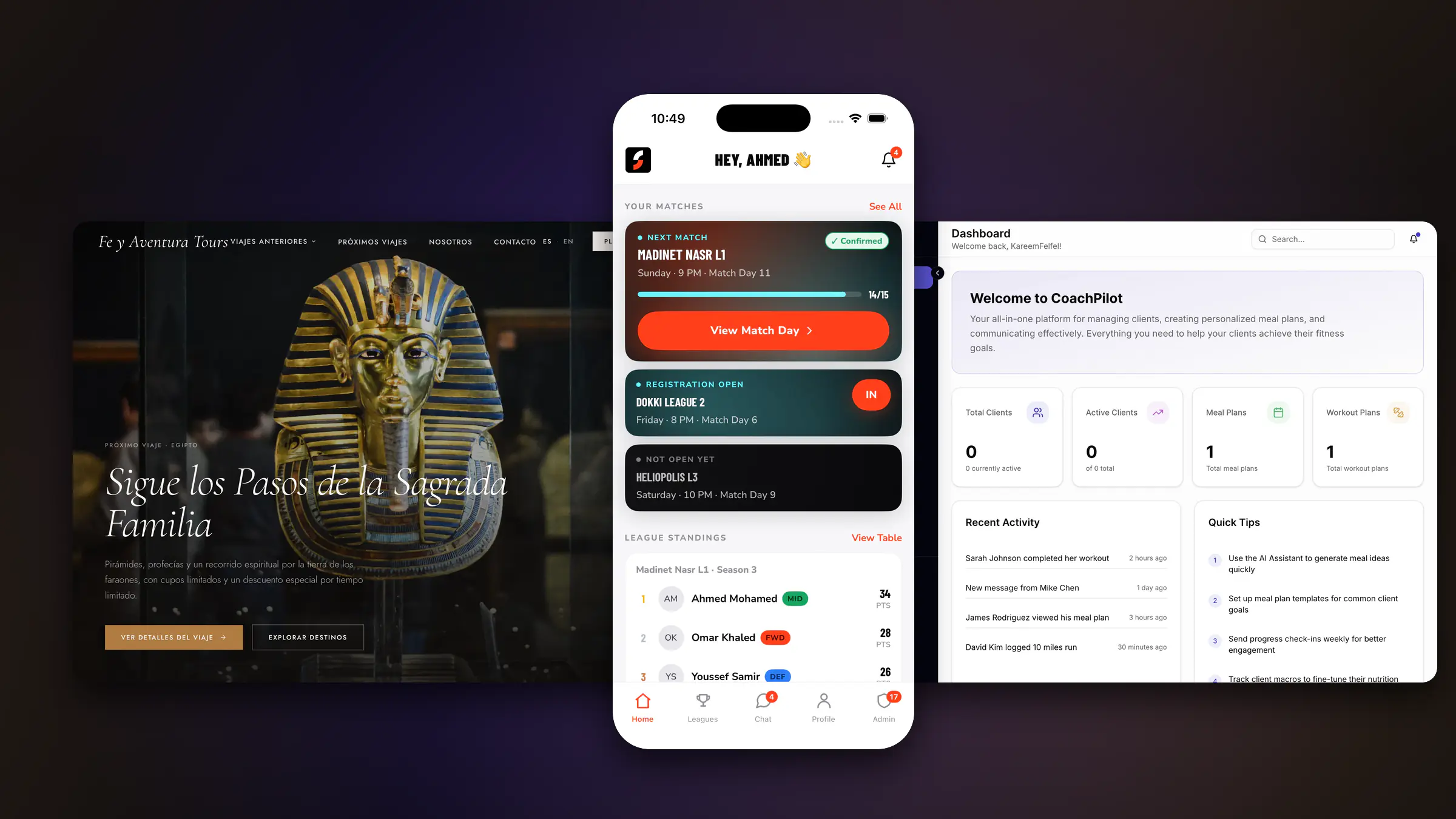
Fitness apps live or die on daily habits. Here's how to create a fitness or coaching app people keep opening, based on what we built for CoachPilot.

Most tour operators should start with an off-the-shelf booking tool. Some outgrow it fast. Here's how to tell which you are, with a real custom build as an example.

A marketplace is two apps sharing one product, and it's worthless until both sides show up. Here's how to scope and launch one, based on our Gigswap build.

An app blueprint is the plan you build from: scope, price, architecture, revenue model and risks. Here's exactly what ours includes and why it costs $299.

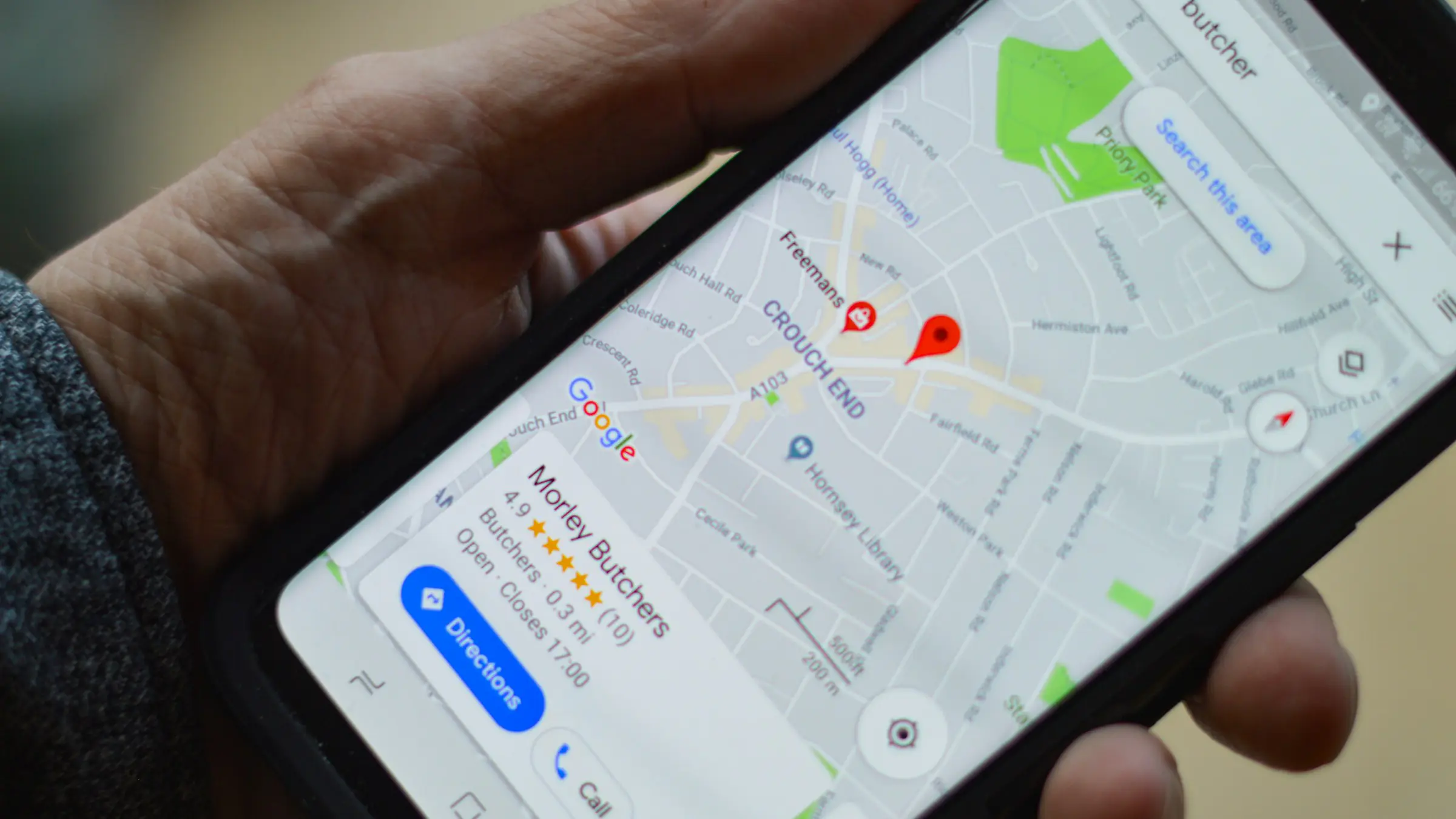
Baltimore-area businesses searching for a software development company near me or an SEO company in Baltimore: here's what to actually expect from Synaptix, the Bel Air, MD-based team already working in your market.

Pennsylvania businesses searching for an SEO agency in Philadelphia or a software development company in the state: here's what to expect from Synaptix, a Bel Air, MD-based team already serving the Mid-Atlantic corridor.

Typing "app development company near me" assumes proximity is the thing that matters most. It usually isn't. Here's what actually separates a good hire from a bad one, local or remote.
Washington, D.C. businesses searching for an SEO company in DC or a digital marketing agency: here's what to expect from Synaptix, a Bel Air, MD-based team serving D.C. clients remotely.

New York City and New Jersey businesses searching for an SEO agency or software development company: here's what to expect from Synaptix, a Bel Air, MD-based team serving NYC and NJ clients remotely.

Boston businesses searching for an SEO agency or a software development company: here's what to expect from Synaptix, a Bel Air, MD-based team serving Boston clients remotely.

Most of the apps on your phone never charge you a dollar upfront. Here's exactly how they make money instead, and which model fits which kind of app.

Picking the wrong app monetization strategy is one of the most common, and most fixable, mistakes founders make. Here are 7 models that actually work, and how to pick between them.

A million downloads and zero revenue is a common outcome, not a rare one. Here's how to build an app that makes money from day one, not one that just gets installed.

Most MVPs fail for one of two reasons: they're overbuilt and never ship, or they're so stripped down they never prove anything. Here's how to scope one that actually works.

App development for startups fails more often from bad scoping and the wrong partner than from bad code. Here's a founder's guide to getting the early decisions right.

DJs, producers, and music professionals had no trustworthy way to find and book each other. Here's how Synaptix built Gigswap, and how it got 100+ sign-ups on day one.

Fe y Aventura Tours was tracking who owed what for group pilgrimage trips by hand. Here's how Synaptix automated payments and notifications, and what changed.

Online fitness coaches were running their whole business across spreadsheets, group chats, and generic scheduling apps. Here's how Synaptix built CoachPilot to fix that.

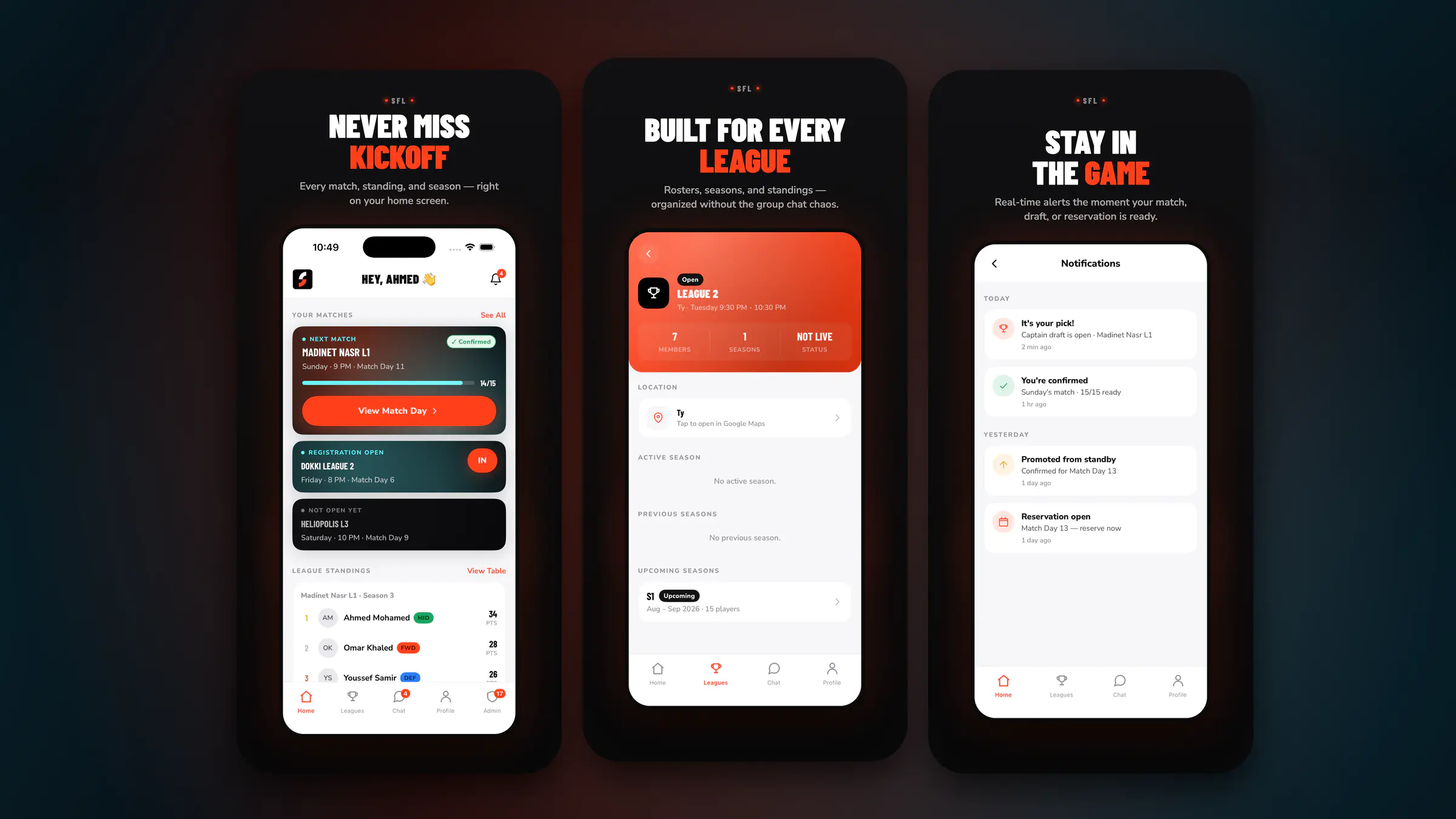
Recreational football leagues are still run over WhatsApp: registration, teams, and standings tracked by hand. Here's how SFL is building a real platform for that instead.

What does a real software development case study actually look like, outcomes and all? Here's a short summary of four, with the full story behind each one.

Synaptix is headquartered in Bel Air, MD. Here's how that shapes who we serve in person across the Mid-Atlantic, and why most of our client base is remote, nationwide, and international.

Most small businesses hire a local SEO company with no way to tell a good one from a bad one until months of wasted budget later. Here's what to ask first.

You've already searched "local SEO services near me." Before you pick from the results, run through this buyer's checklist so you know exactly what you're paying for.