
Building Revenue-Generating Apps

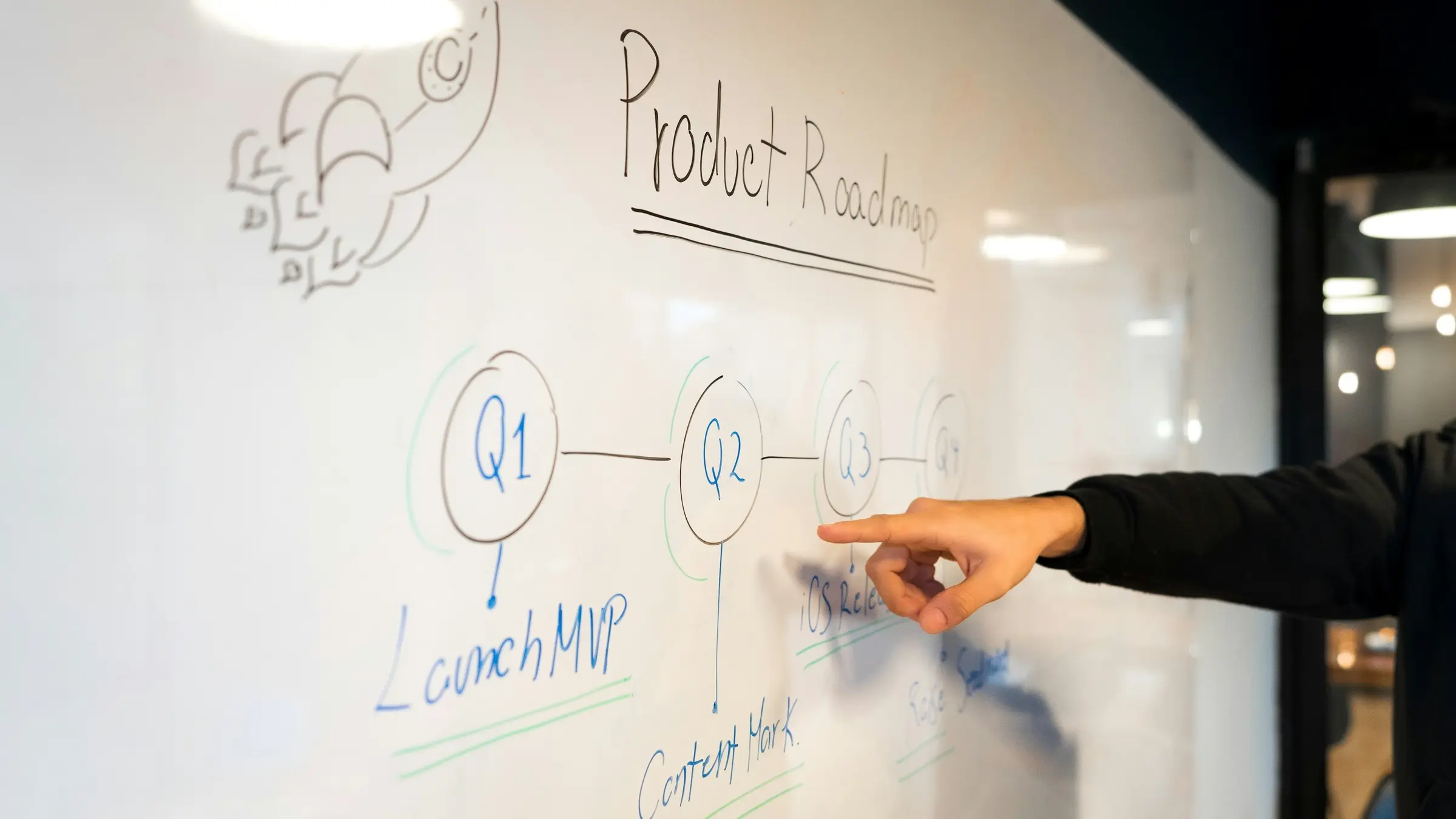
In business, MVP stands for minimum viable product: the simplest version of a product that real customers can use, built to test whether they want it before you spend more. It's minimum because it has only the features needed to solve the core problem, and viable because it actually works and delivers value.
Not sure what belongs in your MVP? Book a free 30-minute call and we'll help you cut it down.
Book a free fit call| Company | Their MVP | What it proved |
|---|---|---|
| Airbnb | A simple site renting air mattresses in the founders' apartment | Strangers would pay to stay in someone's home |
| Dropbox | A short demo video before the product was finished | People wanted easy file syncing |
| Zappos | Photos of shoes from local stores, bought only after an order came in | People would buy shoes online |
| Uber | A basic app for booking black cars in one city | Riders would book a car from their phone |
| Gigswap | A focused marketplace for DJs and music professionals | 100+ sign-ups on day one |
Each one tested a single risky assumption with the least work possible. Gigswap is one of ours: it launched focused on its core: helping music professionals find each other and chat.
Decide the number before launch: sign-ups, paying customers, repeat use, or bookings. If you hit it, you've earned the right to build more. If not, you've learned that cheaply, and you can change direction before spending on the full product.
| Type | How it works | Best for testing |
|---|---|---|
| Landing page MVP | A page describing the product, collecting sign-ups or pre-orders | Whether anyone wants it |
| Concierge MVP | You deliver the service by hand for the first customers | Whether the solution works |
| Wizard of Oz MVP | Looks automated to the user, but people do the work behind it | Demand before building automation |
| Single-feature MVP | A real app that does one thing well | Whether people use and pay for the core feature |
| Piecemeal MVP | Existing tools stitched together, such as forms, payments and spreadsheets | The full flow, cheaply |
Many founders skip straight to a full app. Often, one of the cheaper types above can answer the riskiest question first. When the question is 'will people use and pay for this app?', a single-feature MVP built properly is the right step.
Minimum viable product: the smallest working version of a product used to test demand with real customers.
It depends on scope and platforms. Our MVP cost guide breaks down the drivers and how to keep it lean.
Most app MVPs we build take 4 to 8 weeks once the scope is fixed.
Not quite. A beta is a testing phase; an MVP is a deliberately small product. Many MVPs launch as a beta.
Get your MVP scoped to 3 to 5 features with a fixed price in 7 business days. Start with a free call.
Book your free call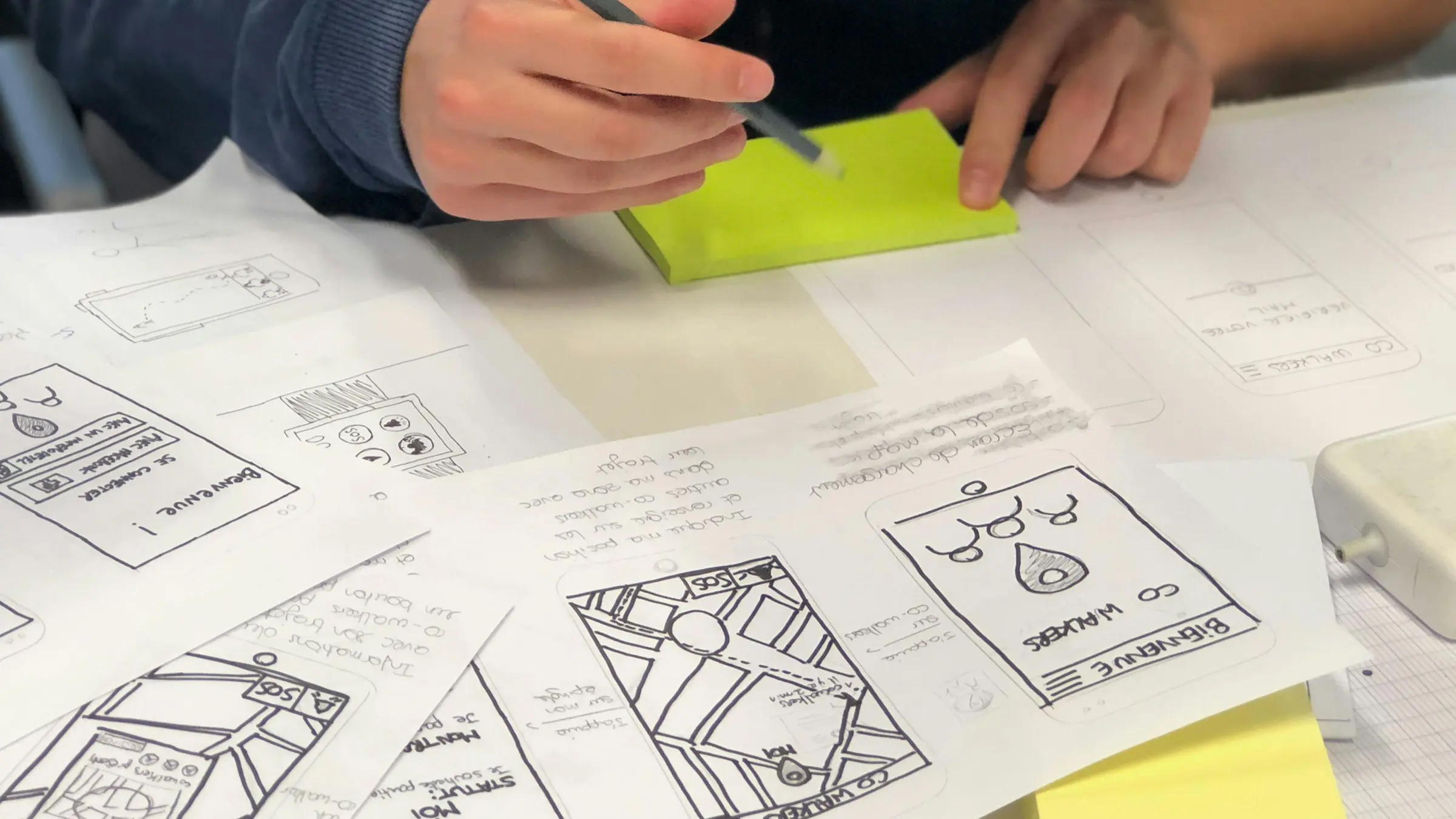


Book a free 30-minute call to talk through your project. No cost, no sales pitch, just an honest look at how Synaptix can build it.