
App Development Costs


MVP development services exist to get a founder from idea to real users as quickly and cheaply as possible, with a product good enough to prove (or disprove) the business. The best MVP development company isn't the one that builds the most features. It's the one that helps you identify the few features that matter, builds them properly, and gives you a clear read on what to do next. Here's what a good service includes and how the main pricing models compare.
| Phase | What you should receive |
|---|---|
| Discovery and scoping | The core problem, target user, 3 to 5 MVP features, what's deliberately left out |
| Business model | How the MVP will make money or prove willingness to pay |
| Architecture | Tech stack and system design that won't need a rewrite to grow |
| Design | User flows and screens for the core journey |
| Development | Working software in milestones on web, iOS and/or Android |
| Launch | App store submission, analytics, monitoring |
| Post-launch | Bug fixes and a plan for version two based on real usage |
For a first version, we think fixed price is the fairest model for founders, because it puts overrun risk on the team that controls the work. It only works with real scoping first, which is why our process starts there.
Real examples of MVP discipline from our work: Gigswap launched with the features a music collaboration marketplace needed to work (discovery, messaging, reviews, subscriptions) and nothing more, and got 100+ sign-ups on launch day. SFL's build is phased so the core league mechanics ship before payments and a loyalty currency.
The MVP is the start of learning. In the weeks after launch you'll see where users drop off, which features they actually use and whether they'll pay. That data should drive version two. Our builds include 30 days of post-launch fixes, and many founders continue with optional monthly support while they iterate. Because you own 100% of the code, you can also take it in-house or to another team whenever it makes sense.
| After launch | What to focus on |
|---|---|
| Weeks 1 to 2 | Fix bugs and confusing flows quickly |
| Weeks 3 to 6 | Measure activation and retention; talk to users |
| Weeks 6 and later | Prioritize version two from real usage, not the original wish list |
It depends on scope and who builds it. Our MVP cost guide covers the drivers; our Blueprint gives you a fixed price for your specific MVP.
Synaptix builds most MVPs in 4 to 8 weeks once the Blueprint has locked the scope.
It should. We design the architecture so the MVP can be extended rather than rewritten, using a mainstream stack any future team can work with.
Ready to scope your MVP? Get the features, fixed price and timeline in 7 business days.
Start your blueprint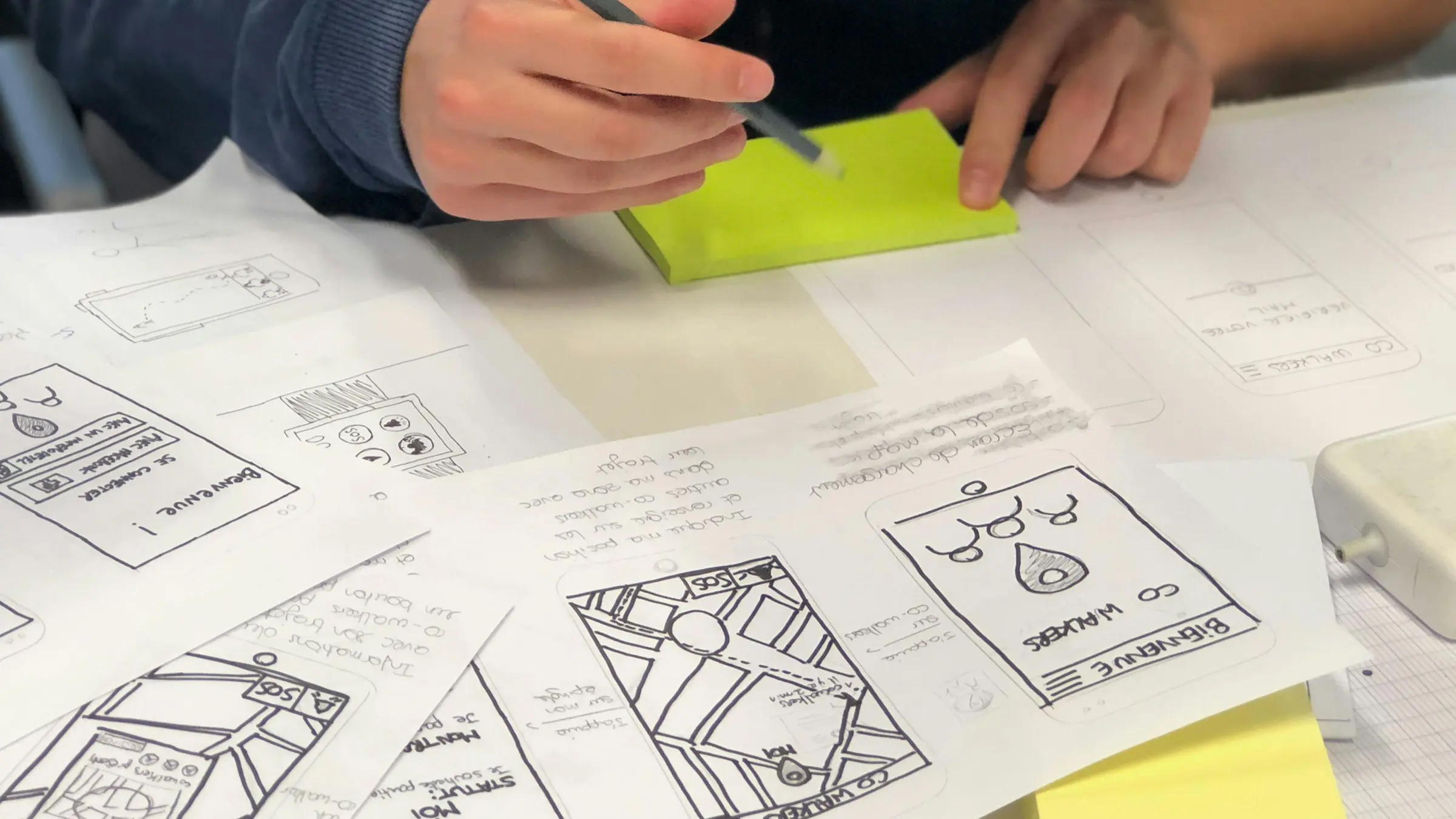


Book a free 30-minute call to talk through your project. No cost, no sales pitch, just an honest look at how Synaptix can build it.