App Development Services

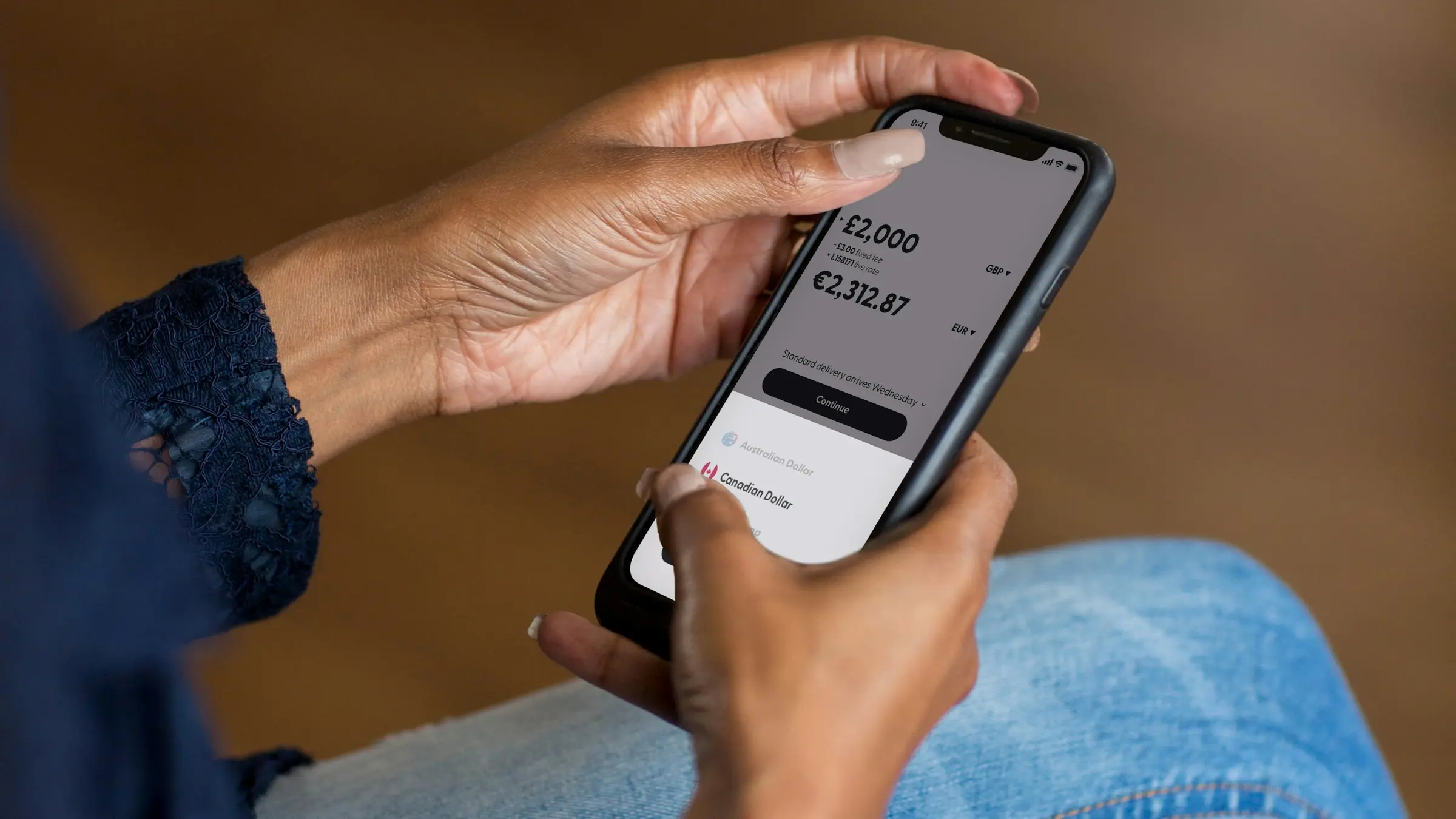
A fintech app development company builds apps that move, store or manage money, such as payments, budgeting, lending, investing and banking tools. Most new fintech apps don't hold money or card data themselves: they're built on regulated partners for payments, bank connections and identity checks, which cuts the compliance burden and the time to launch.
| Type | Examples | Typical partners |
|---|---|---|
| Payments | Invoicing, split payments, marketplace payouts | Stripe, Stripe Connect |
| Personal finance | Budgeting, spending insights | Bank data providers such as Plaid |
| Lending | Loan applications and repayments | Lending and identity providers |
| Banking features | Accounts and cards under your brand | Banking-as-a-service providers |
| Investing | Portfolios and trading | Licensed brokerage APIs |
Building a fintech product? Book a free 30-minute call and we'll help you choose the right partners before you build.
Book a free fit callThis is general guidance, not legal advice. Talk to a fintech attorney about your model before you build, because the answer changes the architecture.
A full banking app, with accounts, cards and deposits under your brand, means working with a banking-as-a-service provider and their partner bank, plus their compliance review of your product. It's achievable but slower. Adding payments to an existing product, such as invoicing, subscriptions or marketplace payouts, is far simpler and is where most businesses should start. Ask yourself which one your customers actually need first.
| Stage | What happens | What can slow it down |
|---|---|---|
| Model and partners | Map the money flow, pick providers, legal review | Licensing questions |
| Partner onboarding | Accounts with payment, identity or banking providers | Provider review of your business |
| Build | Onboarding, core money flow, history, admin panel | Complex edge cases |
| Testing | Every payment state in the providers' test modes | Dispute and refund flows |
| Launch | Go live with limits, monitor closely | App store review of financial apps |
The build itself often isn't the slowest part. Partner approvals and legal review can take as long as development, so start those conversations at the same time as scoping.
Ask which payment and banking APIs they've integrated, how they handle failed payments and refunds, and how they keep sensitive data out of logs. We build payment flows with Stripe and give every client a fixed price after a $299 Blueprint, with 100% code ownership. We'll also tell you plainly if your model needs a specialist in banking regulation.
It depends on whether you hold or move money yourself. Many apps avoid this by using licensed partners. Confirm with a fintech attorney.
Yes. Most payment and banking providers support React Native and Flutter.
Yes, if it's built on regulated partners and focused on one money flow.
Get your fintech MVP scoped with a fixed price in 7 business days. Book a free 30-minute call.
Book your free call



Book a free 30-minute call to talk through your project. No cost, no sales pitch, just an honest look at how Synaptix can build it.