App Development Services


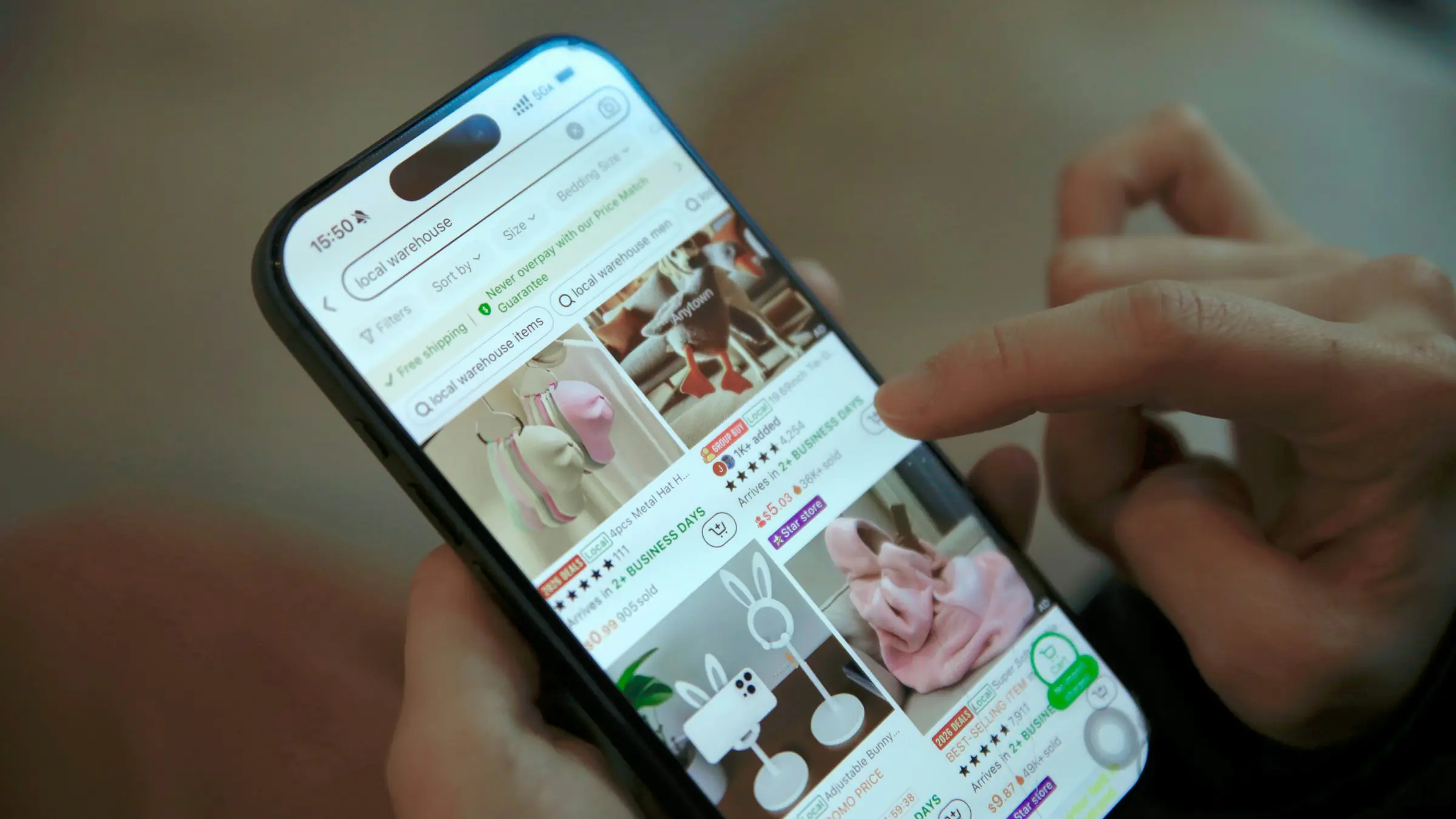
Food delivery app development means building four connected products: a customer app for ordering, a courier app for deliveries, a merchant view for restaurants or stores, and an admin panel to run it all. The fastest path to launch is a tight MVP in one neighborhood or niche, not a national competitor to DoorDash on day one.
| App | Who uses it | Core features |
|---|---|---|
| Customer app | People ordering | Browse menus, cart, pay, live tracking, ratings |
| Courier app | Drivers or riders | Accept jobs, navigation, status updates, earnings |
| Merchant view | Restaurants or stores | Incoming orders, prep times, menu and stock |
| Admin panel | Your team | Orders, payouts, refunds, zones, support |
Planning a delivery business? Book a free 30-minute call and we'll help you cut it to a launchable first version.
Book a free fit callGrocery delivery adds item substitutions, weight-based pricing and larger catalogs. Pharmacy, alcohol and laundry delivery each add their own rules, such as age checks or pickup windows. The four-app structure stays the same; the merchant and order logic changes.
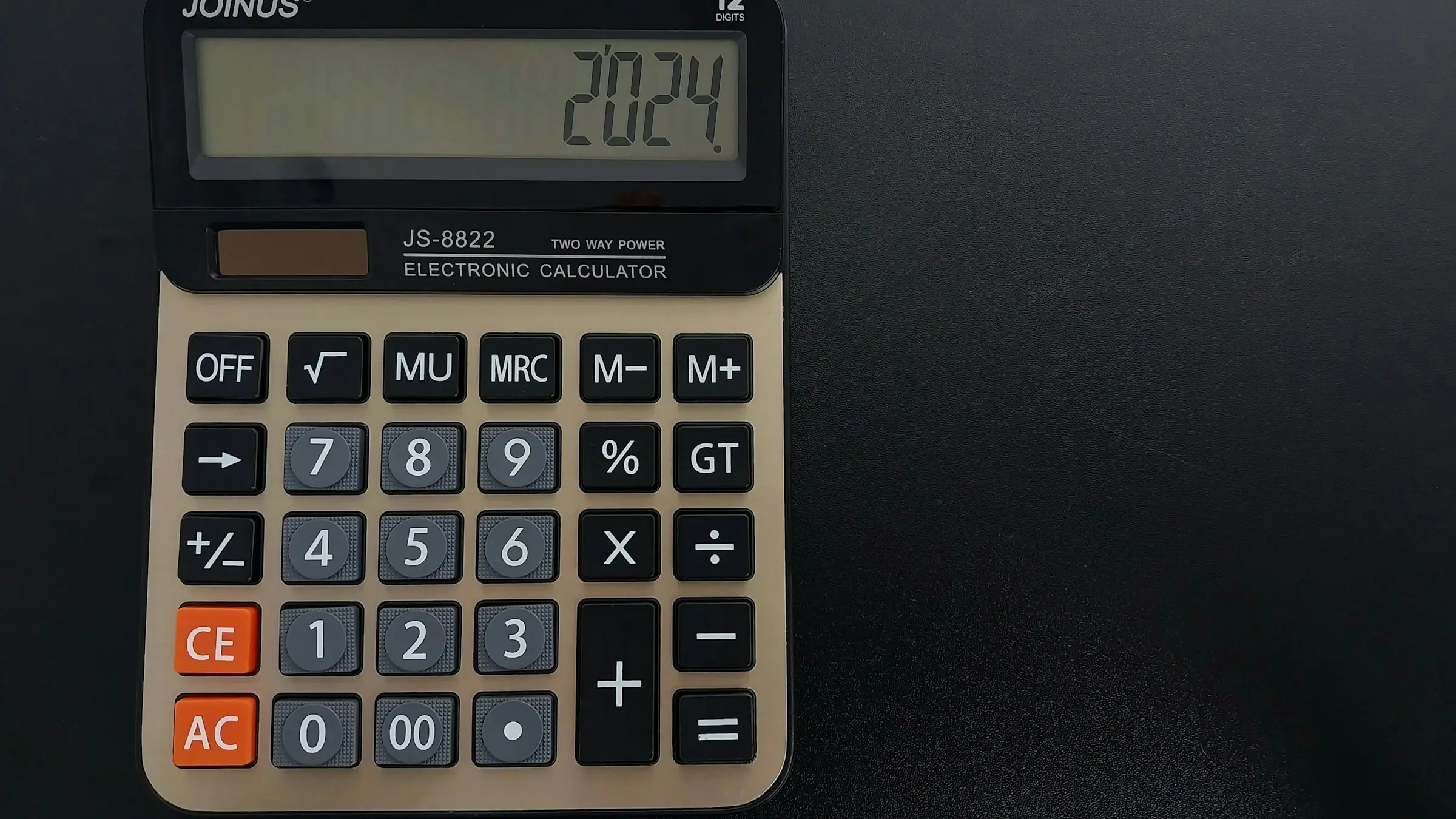
Delivery businesses fail on margins more often than on technology. For a typical order, add up what you earn (merchant commission, delivery fee, service fee) and subtract courier pay, payment processing, refunds and support time. If that number is thin at your expected order size, no app will fix it. Model it in a spreadsheet first, then let the numbers decide the fees and the launch area.
| Phase | What you build | When to move on |
|---|---|---|
| 1. Launch | Customer app, merchant web view, admin panel, manual dispatch | Steady daily orders in your first area |
| 2. Courier app | Job acceptance, navigation, live tracking, earnings | Manual dispatch takes too much staff time |
| 3. Growth | Promotions, referrals, subscriptions for free delivery | Margins hold at your order volume |
| 4. Scale | Automated dispatch, new areas, more merchant tools | The first area is profitable |
Each phase pays for the next. Building all four at once is how delivery startups run out of money before they learn whether their first neighborhood works.
More than a single app, because there are four parts. Keeping the merchant and admin sides as web apps and building one cross-platform customer app keeps costs down.
If you run your own couriers, yes. If merchants or a partner deliver, you may only need status updates.
Usually a commission from merchants, delivery fees from customers, and sometimes a subscription for free delivery.
Get your delivery app scoped across all four parts with a fixed price. Book a free 30-minute call.
Book your free call
Book a free 30-minute call to talk through your project. No cost, no sales pitch, just an honest look at how Synaptix can build it.