App Development Services

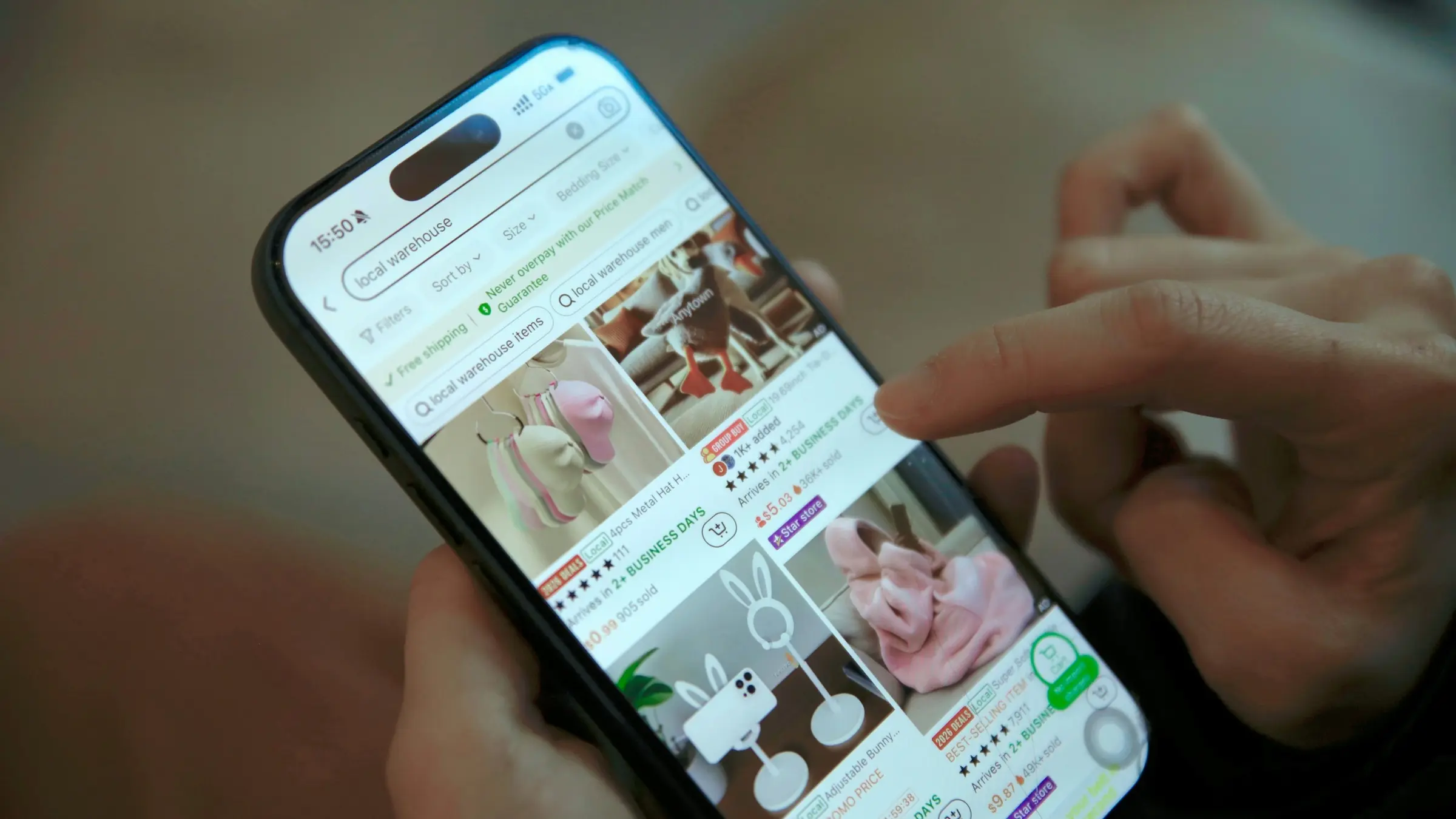
Ecommerce app development means building a shopping experience for iOS and Android that connects to your store, products, payments and orders. If you sell on Shopify or a similar platform, start with its app builders; build a custom ecommerce app when your buying experience, such as subscriptions, custom orders or a loyalty model, is what sets you apart.
| Platform app builder | Custom ecommerce app | |
|---|---|---|
| Launch speed | Days to weeks | Weeks to months |
| Cost | Monthly subscription | Build cost plus hosting |
| Checkout and flows | Standard | Built around your model |
| Personalization | Templates | Anything your data supports |
| Best for | Standard catalogs | Subscriptions, custom orders, marketplaces |
Wondering if your store needs a custom app? Book a free 30-minute call for an honest answer.
Book a free fit callAn app earns its cost through repeat purchases, not first ones. Push notifications for restocks, one-tap reorder and app-only perks give loyal customers a reason to buy more often. If your customers rarely buy twice, a fast mobile website may serve you better than an app.
| Model | What the app adds | Example |
|---|---|---|
| Subscriptions | Skip, pause and swap deliveries in a tap | Coffee, meal kits, pet food |
| Repeat consumables | One-tap reorder and refill reminders | Supplements, cleaning products |
| Custom or made-to-order | Configurators, previews and approvals | Furniture, printing, apparel |
| Loyalty-driven retail | Points, tiers and app-only offers | Specialty stores with regulars |
| Multi-vendor marketplace | Seller dashboards, split payments, reviews | Local makers, rentals, services |
| Week | Milestone |
|---|---|
| Week 0 (scoping) | Features, store integration, payments and a fixed price agreed |
| Weeks 1 to 2 | Screen designs; product sync from your store working |
| Weeks 3 to 5 | Browse, cart, checkout and accounts built and testable |
| Weeks 6 to 7 | Order tracking, notifications, reorder and admin tools |
| Week 8 | Real-device testing, app store submission and launch |
Simpler stores can launch sooner; subscription logic, configurators or multi-vendor payouts add time. The app store review itself usually takes a few days, so leave buffer before any sales event you're launching for.
Only if customers buy repeatedly. Apps shine for reorders, loyalty and notifications, not one-time purchases.
Yes. A custom app can use Shopify's APIs for products and orders while giving you full control of the experience.
A focused first version typically takes 4 to 8 weeks once the scope is fixed.
Want a fixed price for your ecommerce app? Book a free 30-minute call.
Book your free call

Book a free 30-minute call to talk through your project. No cost, no sales pitch, just an honest look at how Synaptix can build it.