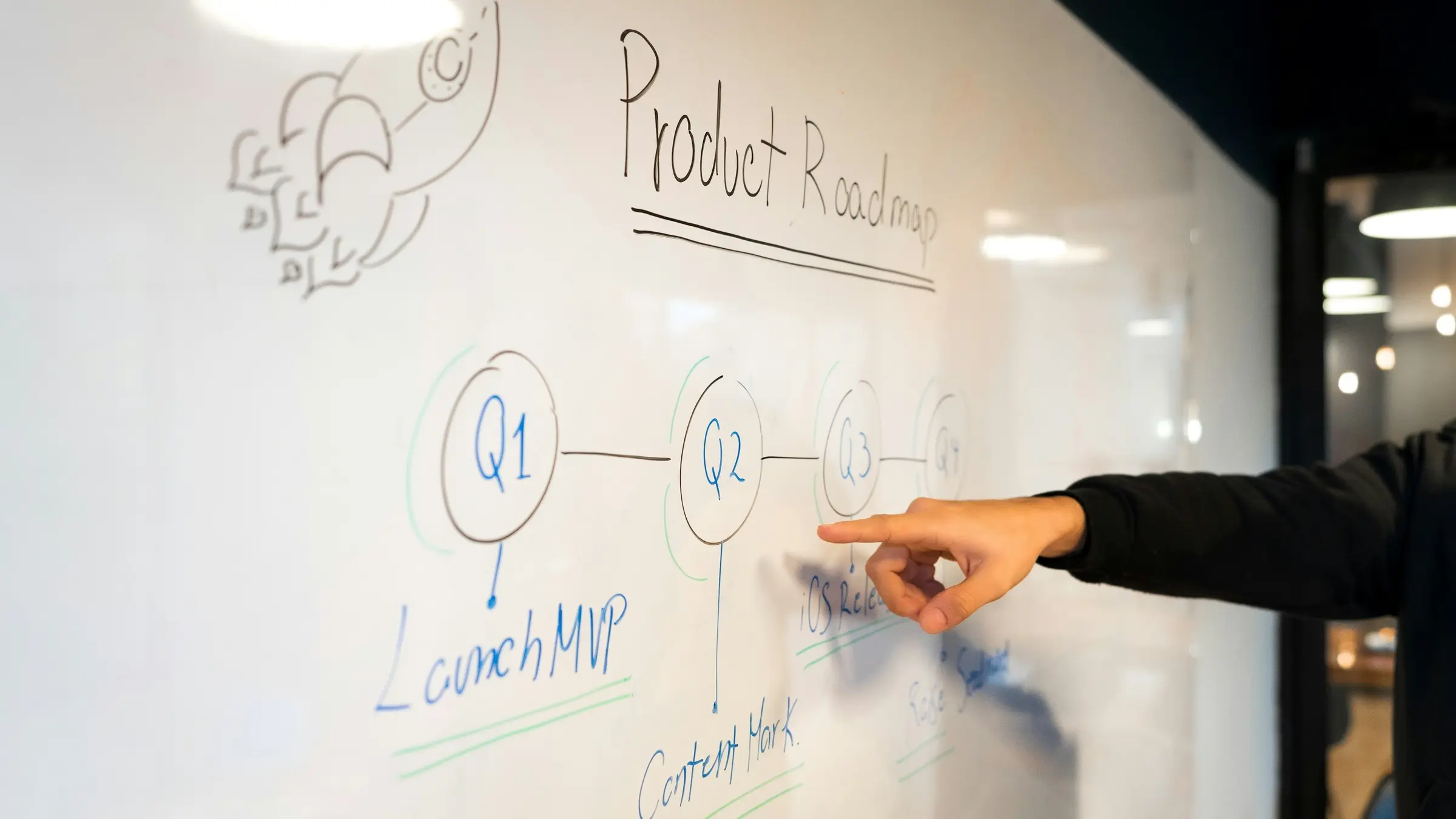
From Idea to App

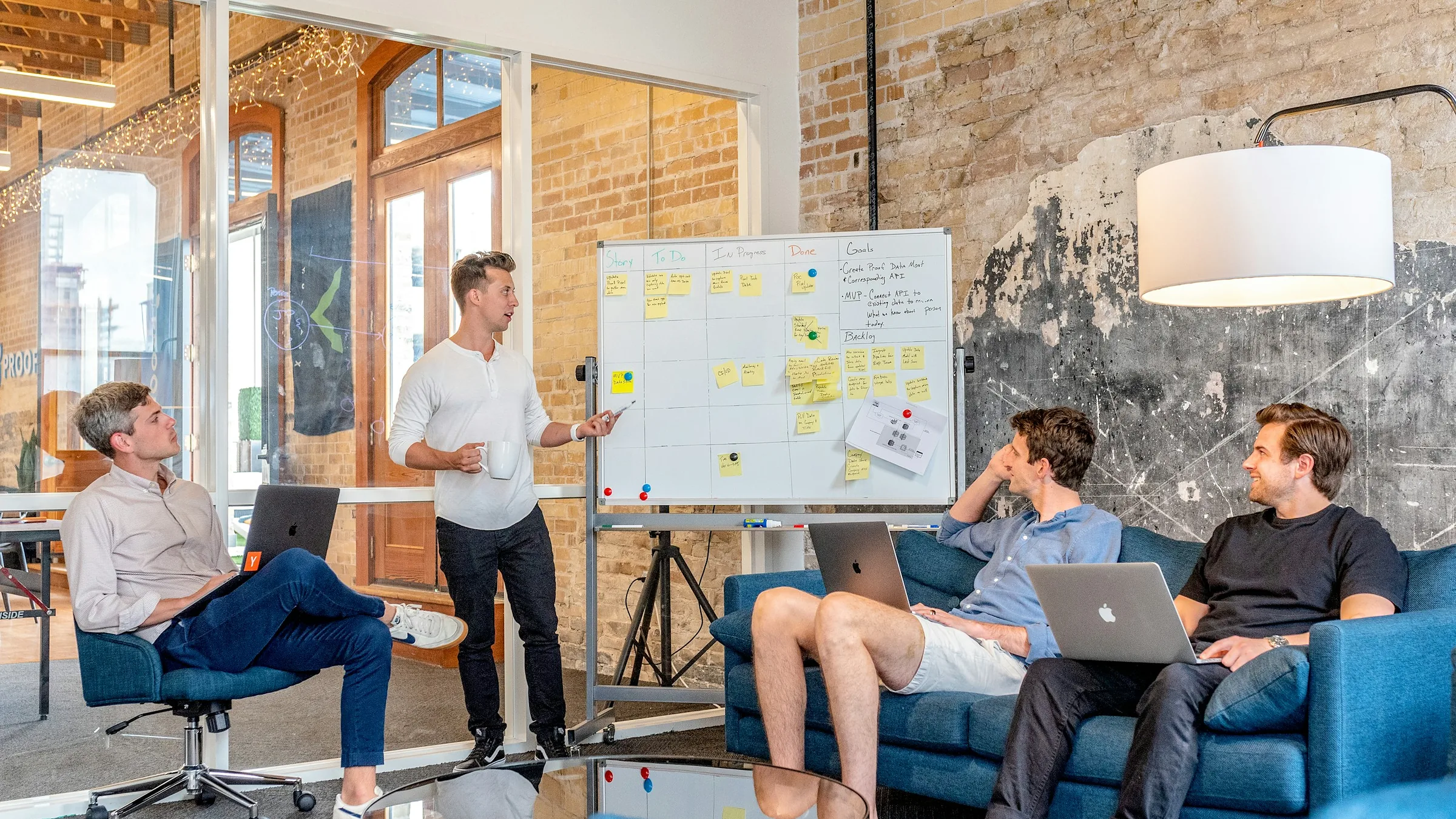
Pre-seed funding is the first outside money a startup raises, usually from the founders' network, angel investors or small pre-seed funds, to go from idea to early proof. It typically comes before a company has meaningful revenue. Pre-seed rounds are often raised on SAFEs or convertible notes rather than priced equity, and their size varies a lot by market and founder. The strongest thing to bring to a pre-seed conversation is evidence: a working MVP and early users beat a deck every time.
| Pre-seed | Seed | |
|---|---|---|
| Stage | Idea to early product | Product with early traction |
| Typical investors | Friends and family, angels, pre-seed funds, accelerators | Seed funds, angels, some larger funds |
| What investors look for | Founders, problem, early proof | Users, growth, early revenue |
| Common instruments | SAFEs, convertible notes | SAFEs or a priced round |
| Used for | Building and launching the MVP, first customers | Hiring and growing what works |
This is general information, not legal or investment advice. Talk to a startup lawyer before signing any SAFE or note.
Want an MVP to show investors? Book a free 30-minute call and we'll scope one that fits a pre-seed budget.
Book a free fit callRaising on an idea alone is hard for first-time founders without a track record. Building a focused MVP first changes the conversation from "would people use this?" to "here's what people did." It also means you raise on better terms, because you've already removed the biggest risk. A tightly scoped MVP doesn't need to cost much: most apps we've built cost around $10,000, which many founders fund themselves or with a small friends-and-family round.
The earliest outside investment in a startup, used to go from idea to early product and first users. It often comes from angels, friends and family, or small pre-seed funds.
Pre-seed funds early proof, usually before meaningful revenue. Seed funds growth once there's traction such as active users or early revenue.
Not always, but it helps a lot, especially for first-time founders. Real usage is the strongest evidence you can show an early investor.
Yes, that's one of its most common uses. Fix the build price before you raise so you know exactly how much of the round it needs.
Know exactly what your MVP will cost before you raise. Start with a free 30-minute call.
Book your free call


Book a free 30-minute call to talk through your project. No cost, no sales pitch, just an honest look at how Synaptix can build it.