
AI & Automation

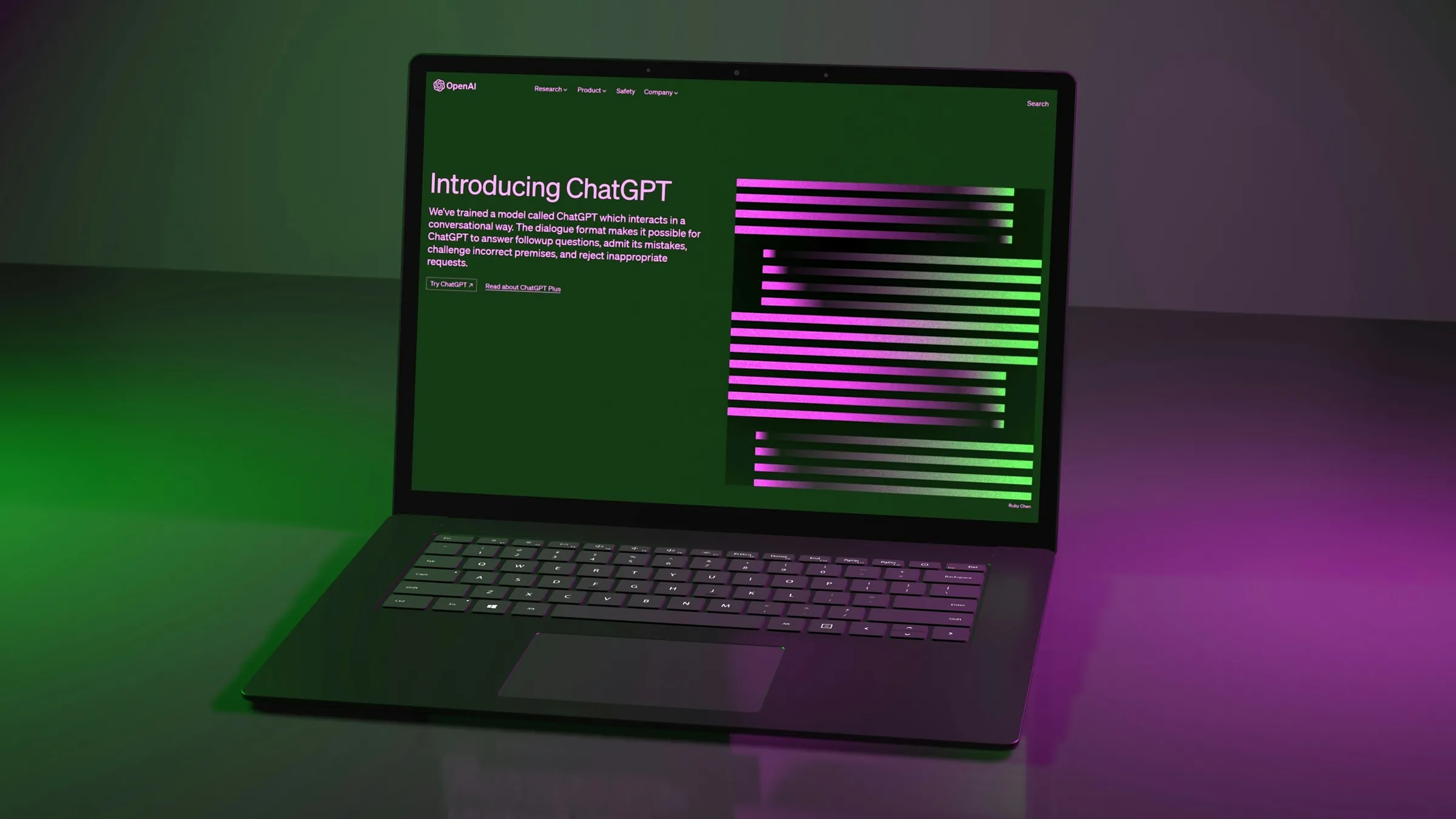
OpenAI API cost is based on tokens: you pay a rate per million tokens of text sent to the model (input) and a usually higher rate per million tokens it writes back (output). Your monthly bill is the number of requests times the tokens per request times those rates. Smaller models cost a small fraction of the largest ones. Prices change often, so always check OpenAI's pricing page; this guide shows how to estimate cost per user so you can price your product safely.
Illustrative numbers only; plug in current prices from OpenAI's pricing page. Suppose a feature sends about 1,500 input tokens and gets 500 output tokens back per request, each user makes 30 requests a month, and the model you chose costs $0.40 per million input tokens and $1.60 per million output tokens.
| Step | Calculation | Result |
|---|---|---|
| Input tokens per user per month | 30 x 1,500 | 45,000 |
| Output tokens per user per month | 30 x 500 | 15,000 |
| Input cost per user | 45,000 / 1,000,000 x $0.40 | $0.018 |
| Output cost per user | 15,000 / 1,000,000 x $1.60 | $0.024 |
| Total per user per month | about $0.04 | |
| 1,000 users | about $42 per month |
The same feature on a flagship model can cost many times more, and long chat histories or large documents multiply input tokens quickly. That's why the model choice and how much context you send matter more than anything else.
Planning an AI feature and worried about running costs? Book a free 30-minute call and we'll estimate it with you.
Book a free fit callIf AI is the product, your pricing should cover usage with a healthy margin. Common approaches are plans with monthly usage limits, credits, or a usage-based add-on. Our SaaS pricing models guide covers how to choose.
It's priced per million input and output tokens, with rates that vary a lot by model. Check OpenAI's pricing page for current rates, then multiply by your expected requests and tokens per request.
No. A ChatGPT subscription is for personal use in OpenAI's app. The API is billed separately per token and is what you use to build AI features into your own product.
Run your feature on 20 to 50 real examples, measure average input and output tokens, then multiply by expected requests per user and current prices. Add a safety margin.
For most MVPs, no. With a small model and sensible context, AI features often cost cents per user per month. Costs grow with large models, long contexts and heavy users.
Build AI features with costs you can predict. Start with a free 30-minute call.
Book your free call



Book a free 30-minute call to talk through your project. No cost, no sales pitch, just an honest look at how Synaptix can build it.